Vero India

Is Your Tap Water Making the Grade? The pH of Drinking Water Explained

is-your-tap-water-making-the-grade-the-ph-of-drink

Is Your Tap Water Making the Grade? The pH of Drinking Water Explained

We usually think about what’s in our water like lead or chlorine or minerals.. We do not often talk about the pH of the water. If you have drunk water that tasted a bit like metal or felt really soft then you have probably seen how the pH of water can affect it. The pH of water is something that can make a difference in how it tastes.

For example water with a pH can taste slightly metallic. On the hand water with a different pH can feel strangely soft when you drink it. This is because of the chemistry of the pH, in the water. The pH of water is a thing to think about when we are drinking it.

So what does that number really mean for the pipes in your house your body and the coffee you drink in the morning? Let us look at the science of the scale and see what it is, about. The scale is something that affects your pipes, your body and your morning coffee.

What Exactly is pH?

So pH is like a measure of how many hydrogen ions in a liquid. It is also known as hydrogen. The pH scale goes from 0 to 14.

The pH scale shows the concentration of hydrogen ions, in a liquid. PH or potential hydrogen is a thing to know about.

  • 0–6: Acidic (think lemon juice or battery acid)
  • 7: Neutral (pure distilled water)
  • 8–14: Alkaline/Basic (think baking soda or bleach)

The pH scale is special because it is logarithmic. This means that when the pH number changes by one number the water becomes ten times more acidic or alkaline.

For example water with a pH of 5 is ten times more acidic than water with a pH of 6. This is a difference, in the pH of water. The pH of water is very important to understand.


The "Sweet Spot" for Drinking Water

The Environmental Protection Agency (EPA) says that pH is a standard for drinking water. This means that the Environmental Protection Agency (EPA) thinks that pH is more about how water looks and tastes, than something that can hurt our health directly. The Environmental Protection Agency (EPA) does this to make sure our drinking water is good to drink.

The amount of water we should drink is something that a lot of people talk about. Most experts and people who make rules say that drinking water should be between 6.5 and 8.5. This is the range that they think is good, for drinking water. Drinking water that falls in this range is what most experts and regulatory bodies recommend for drinking water.

1. Low pH (Acidic Water)

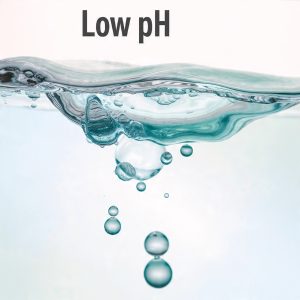
If the water level in your area falls below 6.5 the water is considered water and it is also acidic water. Drinking water is not really bad, for your stomach but the acidic water is corrosive. The acidic water can cause problems because the acidic water is corrosive.

The problem with water is that it can get into your pipes and take out metals, like copper and lead from your plumbing. This is a deal because acidic water can really affect the copper and lead in your plumbing. Acidic water can cause the copper. Lead in your plumbing to leak into the water you drink.

The Sign: Look for blue-green stains in your sinks or a sharp, metallic aftertaste.

2. High pH (Alkaline Water)

When the water is above 8.5 people think of it as “water or they say it is alkaline. This is what happens with water that has a number like that. Water, like this is basically hard or alkaline.

The problem is that drinking water is not bad for you but it can cause mineral buildup also known as scale in your water pipes and appliances. This mineral buildup or scale can be an issue for your pipes and appliances so it is something to think about when you are using water in your home. The mineral buildup or scale is not good, for your pipes and appliances because it can damage them over time.

The Sign: When you touch the water it feels of slippery. The water also tastes bitter. You will see crusty stuff on your showerhead. This is what happens with this kind of water the water makes your showerhead all crusty.

The Alkaline Water Trend: Fact vs. Fiction

You have probably seen Alkaline Water that says it will help make your bodys pH better or get rid of acid reflux. This kind of Alkaline Water claims to do a lot of things for your body. People buy Alkaline Water because they think it will make them feel better. Alkaline Water is supposed to make the pH in your body right.

Some people think that drinking water that is a bit alkaline, like pH 8 or 9 helps them feel better when they have stomach problems.. The human body is really good at keeping its own balance, which is around 7.4 no matter what kind of water you drink. The acid in your stomach, which is very strong with a pH of 1.5, to 3.5 will make the alkaline water normal again as soon as it touches it. The alkaline water will not stay alkaline for because the stomach acid will change it right away. The body and alkaline water will balance out because of the stomach acid.

The Verdict: It is perfectly fine to drink water. Water is rarely the miracle cure that marketing teams claim water to be.

How to Check Your Water at Home

If you want to know what is, in your tap water you do not need to be a scientist. You can easily check your tap water using:

Test Strips: The most affordable option. Dip a paper strip into a glass and match the color change to a chart.

Digital pH Meters are really good because they give you accurate results. You can use them times, which is very useful This means you have to check them to make sure they are working correctly. Digital pH Meters are a choice if you want to get the right results. They are also reusable so you do not have to buy an one every time you need to use it. Digital pH Meters are the option, for people who need to test the pH level of something often.

Final Thoughts

While the pH of your water is a great indicator of your home’s plumbing health and overall water quality, it’s just one piece of the puzzle. As long as your water falls within that 6.5 to 8.5 window, you’re in the clear!


    [fanciedmedia_captcha]